LUNGS [THE BREATHER]
Lungs 0.2 is the second iteration of Lungs [the breather], an installation I conceived in 2008. It toured nationally and internationally until 2014 and has not been shown since, because the hardware and software it ran on no longer work. The work is now being restored and will be available from September 2027.
When I first created this work, climate change was still discussed mostly as a forecast. Almost twenty years later, the North Sea has warmed twice as fast as the global average, and in 2026 the Belgian coast recorded its warmest days in twenty-six years.
Thinking of the human as an entity separate from nature is one of the founding divisions of Western culture: the premise that makes extraction thinkable, and that still organises how we treat land, water and bodies. I believe that if we begin to understand our interdependence with the environment, we could work together as a species to slow down the climate crisis.
This early installation brings together two subjects I have explored throughout my practice: the body and ecology. Lungs is part of a continuous line in my work, in which the spectator’s body is placed in a situation that invites ecological embodiment, and the relationships between body, environment, time and space become perceptible.


Lungs aims to raise human consciousness and to activate our relationship with our own body and with nature. By breathing we call life, nature, oscillation, continuity.
Lungs 0.2 is an interactive installation in which participants engage through breathing. By capturing each breath and transforming it into a reflective, meditative experience, the piece brings awareness to an everyday function we often take for granted. Breathing symbolises both an individual life force and a shared human experience.
In this work, breath becomes more than a biological act: it reminds us of our interdependence with the environment and of the delicate balance of life. The installation’s technology lets participants witness the impact of their breath in real time, creating a sensory bridge between their bodies and the surrounding space.
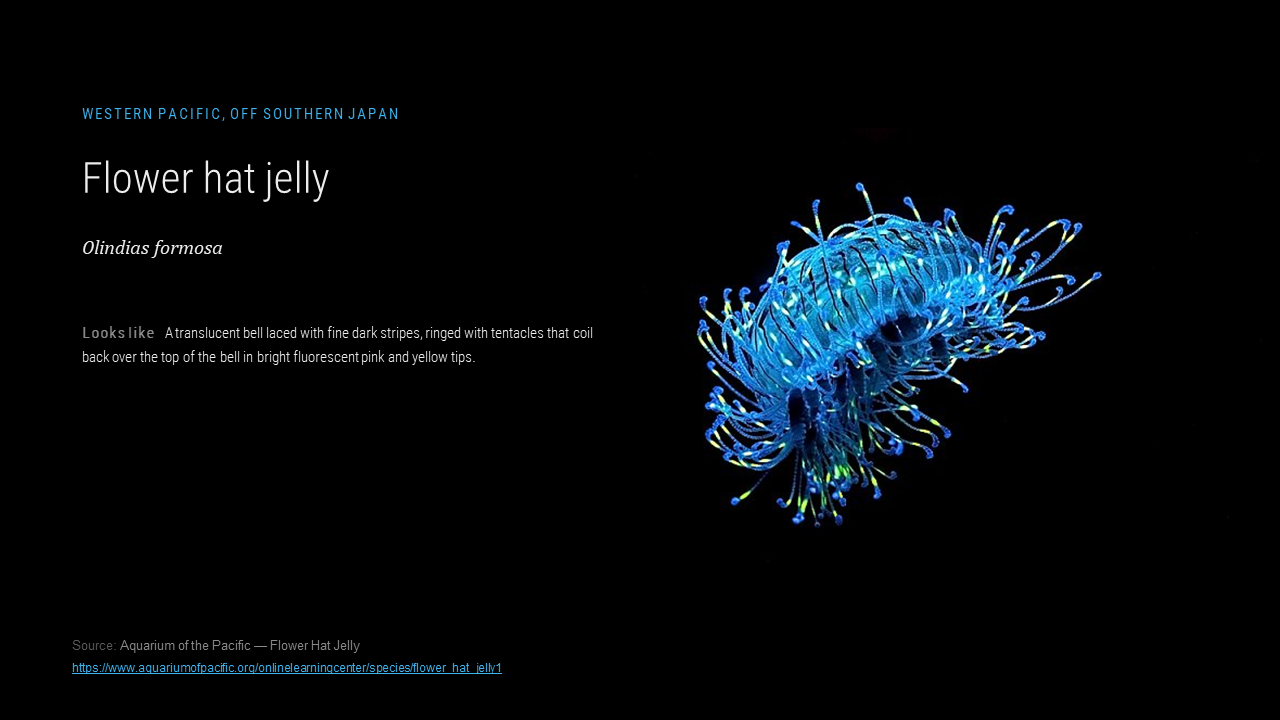
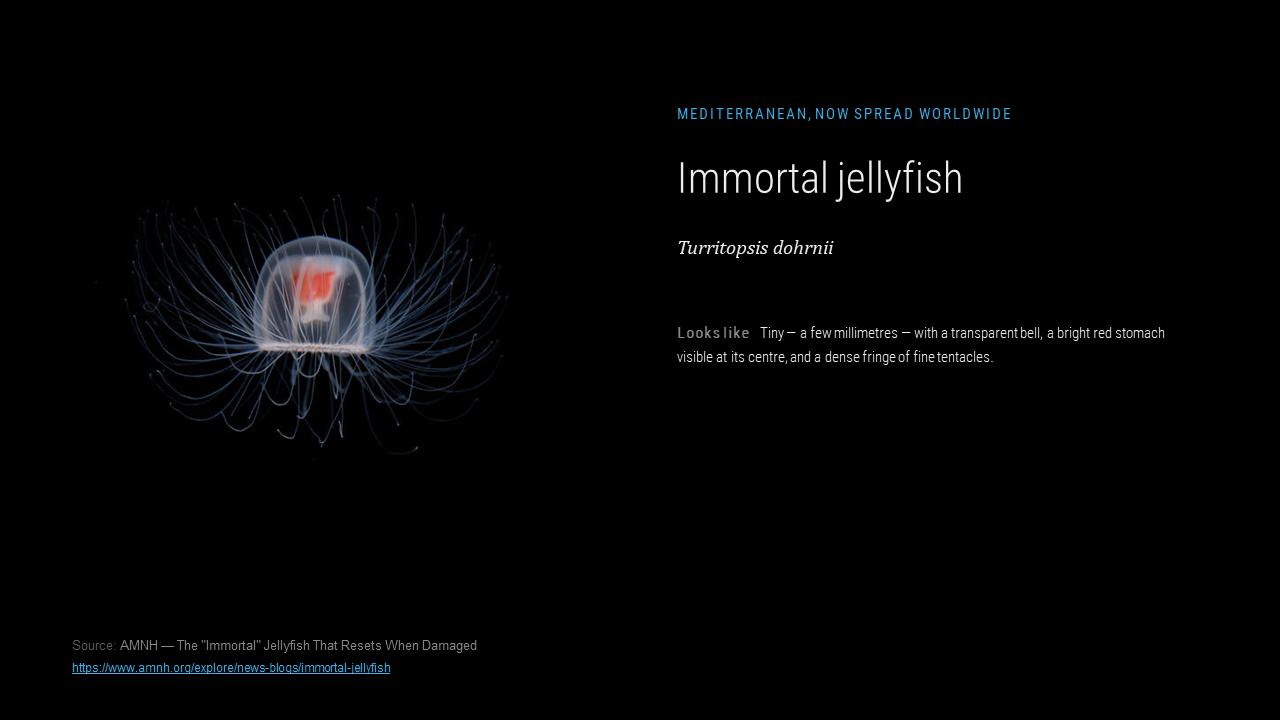
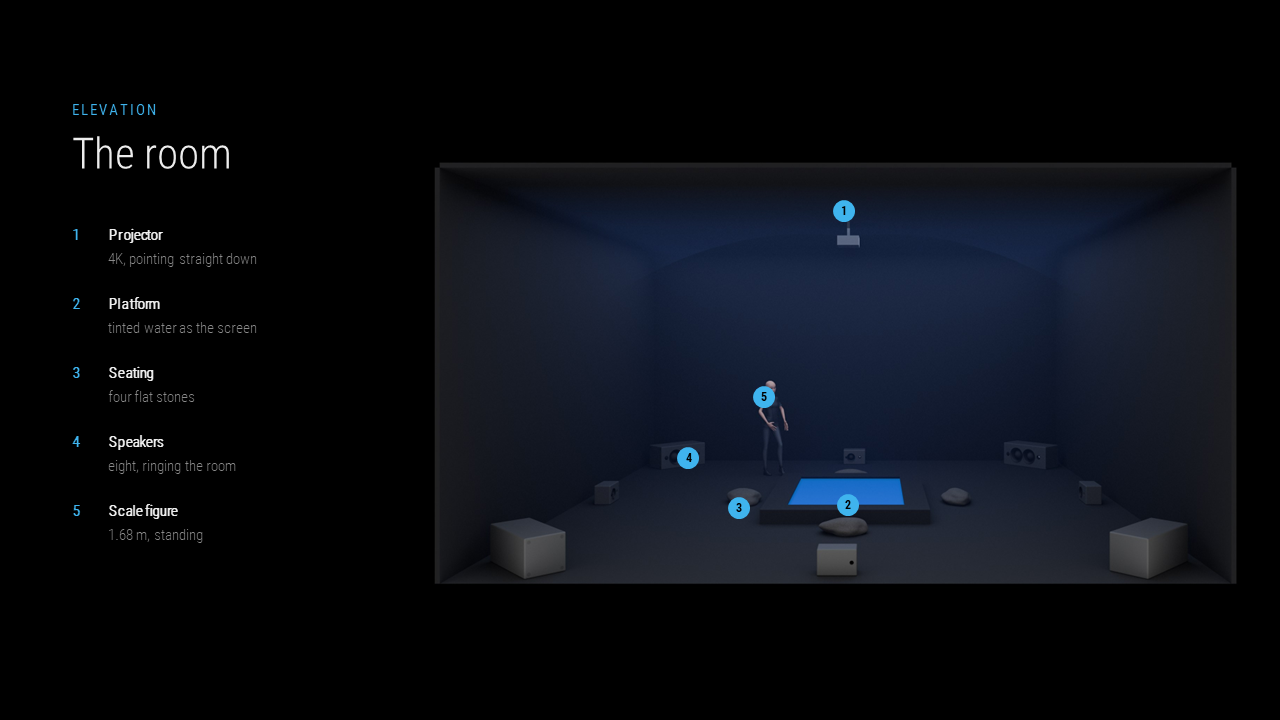
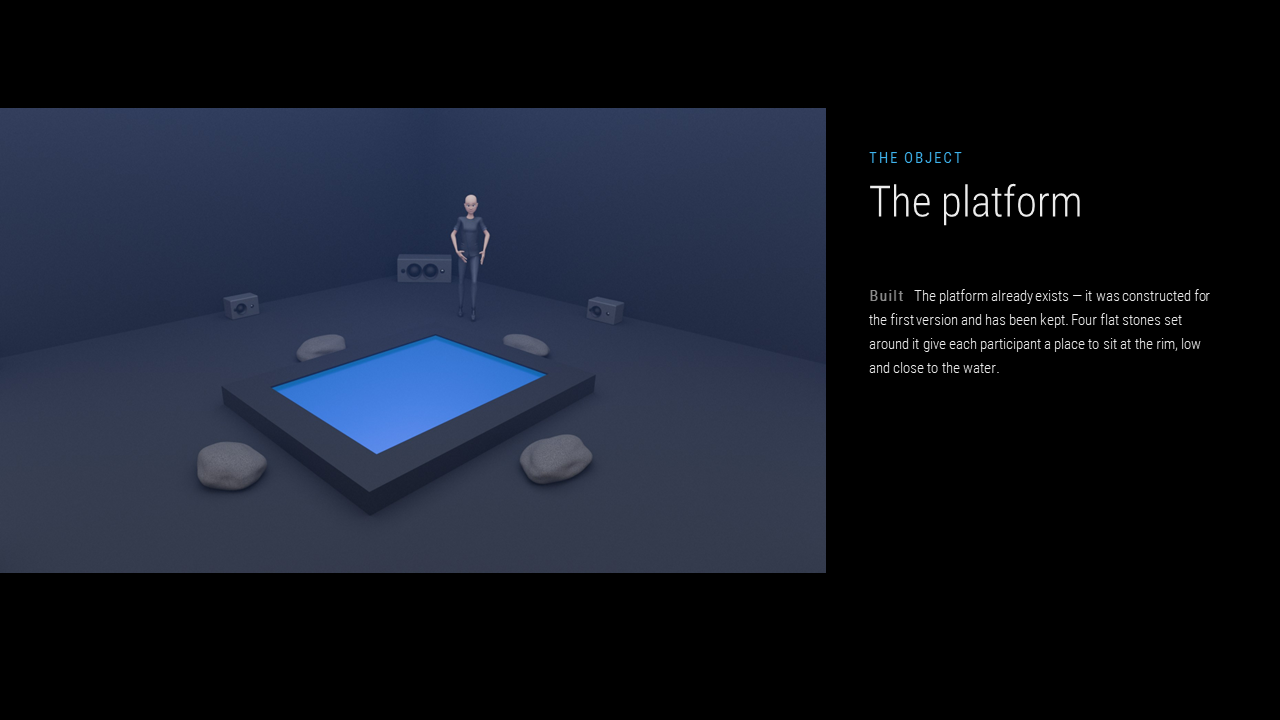
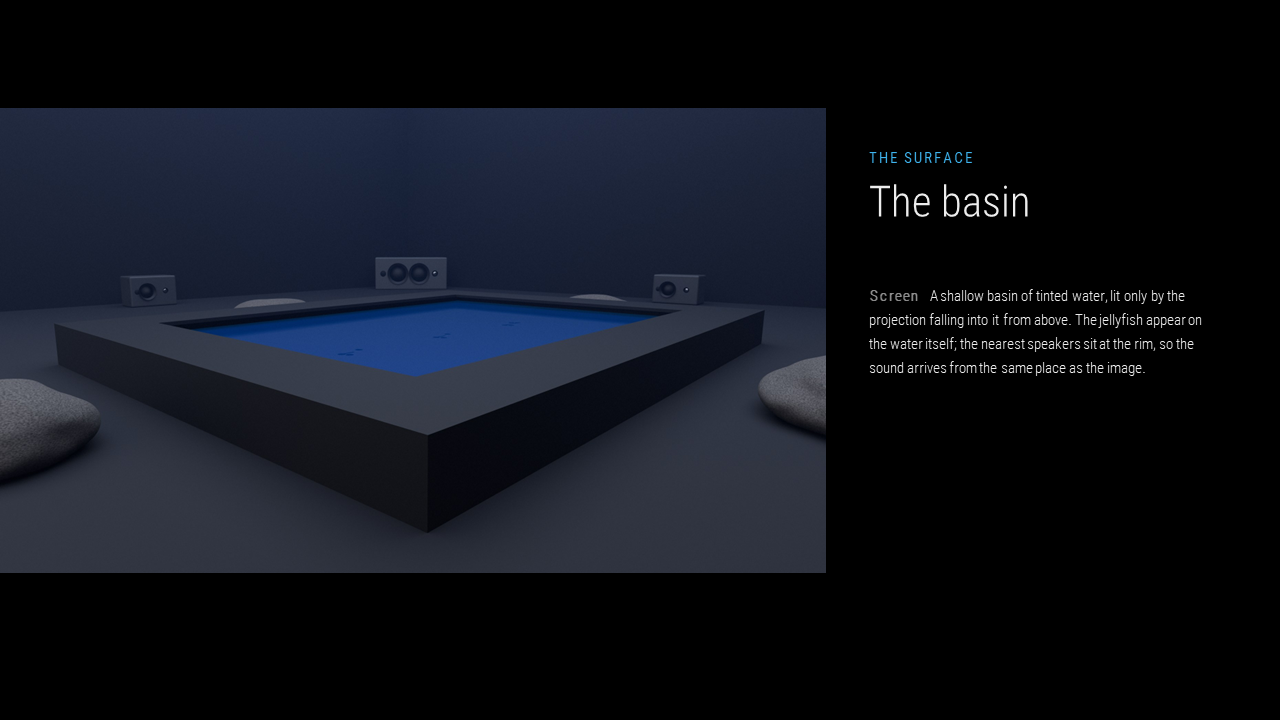
At the centre of a dark space lies a rectangular pool filled with white ink, lined with four large stones. Each participant takes a place on one of the stones and breathes through a mask. Their breathing is immediately amplified through speakers arranged around the space in an octophonic set-up, while animated jellyfish, projected from above onto the surface of the pool, begin to move. The jellyfish contract and expand with the participants’ breathing, improvising a choreography that follows the respiration of one to four people.
A 10-minute scenario in five parts guides participants through different interactive phases. Each person controls four virtual jellyfish, sixteen in total when the installation is at full capacity. These jellyfish respond directly to each person’s breathing pattern, mirroring the inhalation and exhalation of their lungs. Throughout the experience, the sound system amplifies the participants’ breathing while generating a soundscape that evolves alongside the images.
Up to four people share the experience. As the piece progresses, each person’s breathing becomes indistinguishable from the others’, placing the body in a situation of exchange, sometimes even of cooperation, where each individual contribution becomes part of the collective experience.
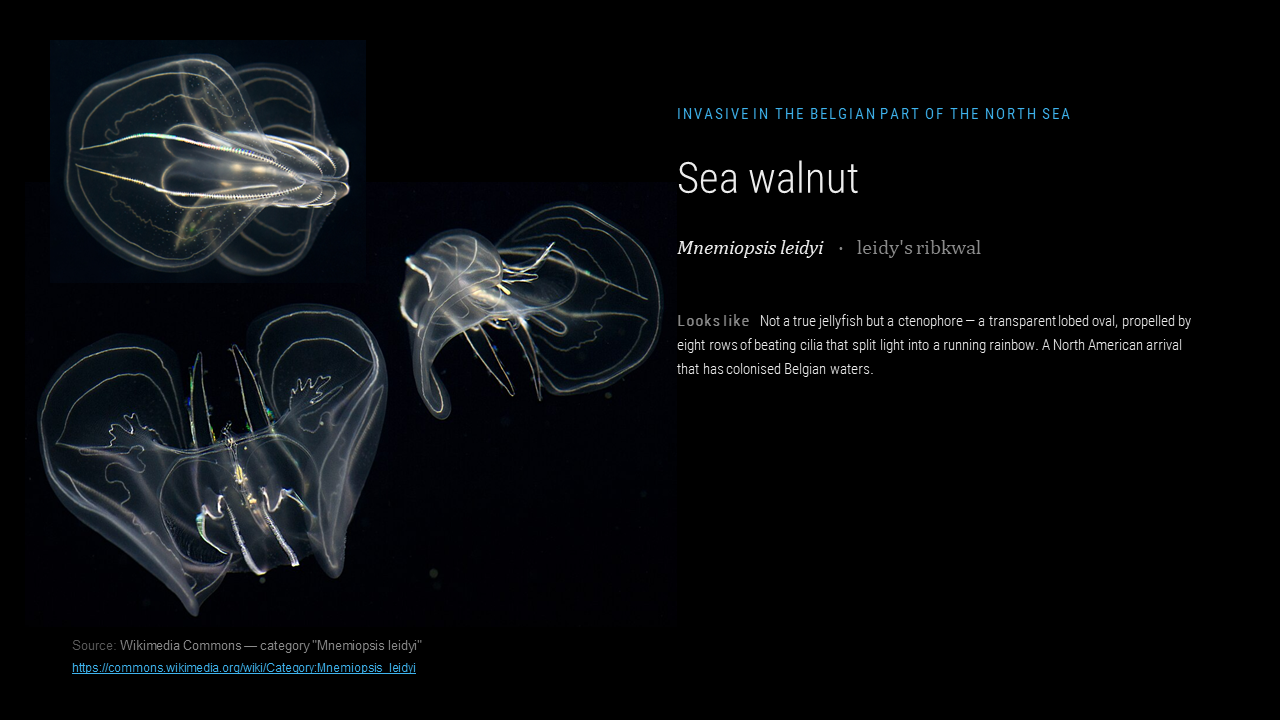
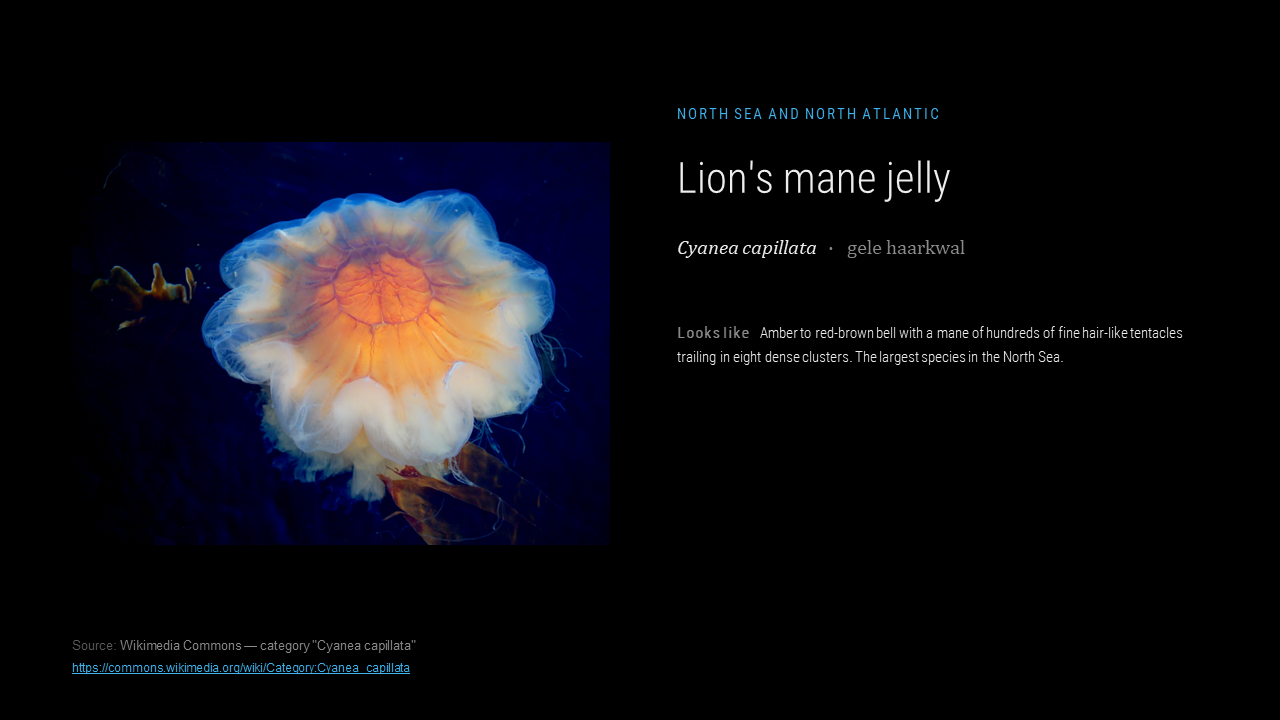
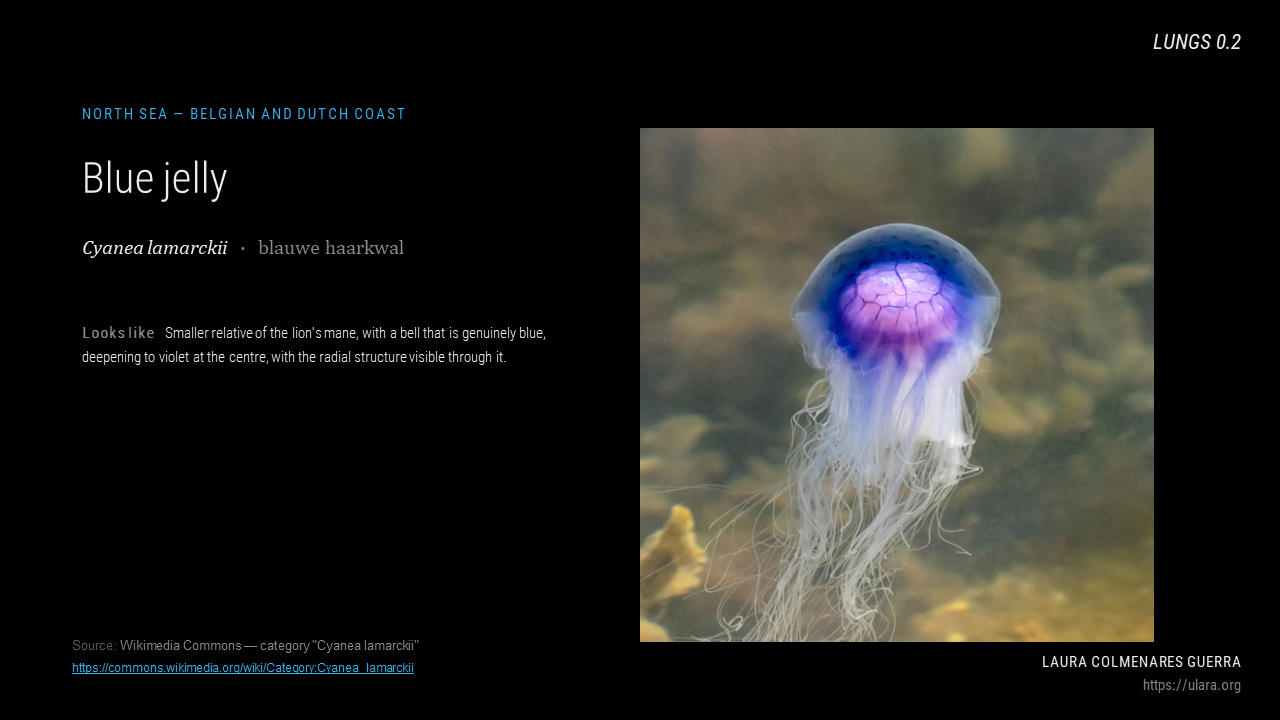
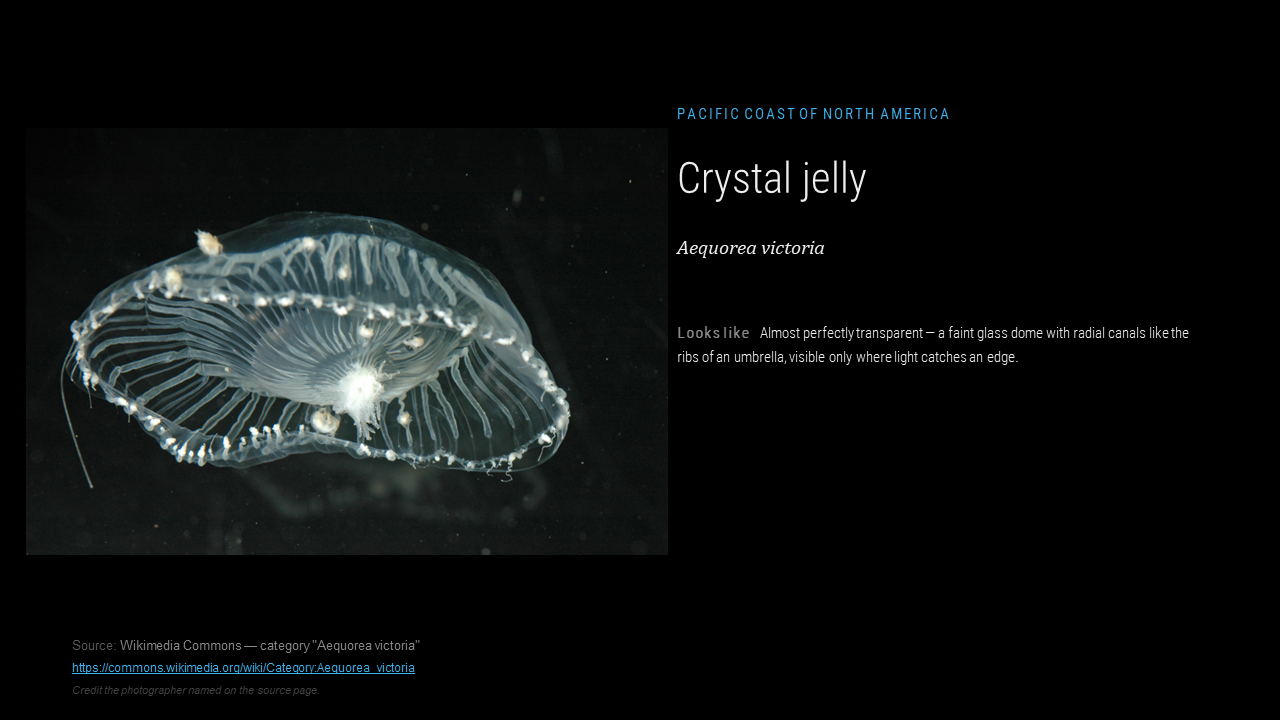
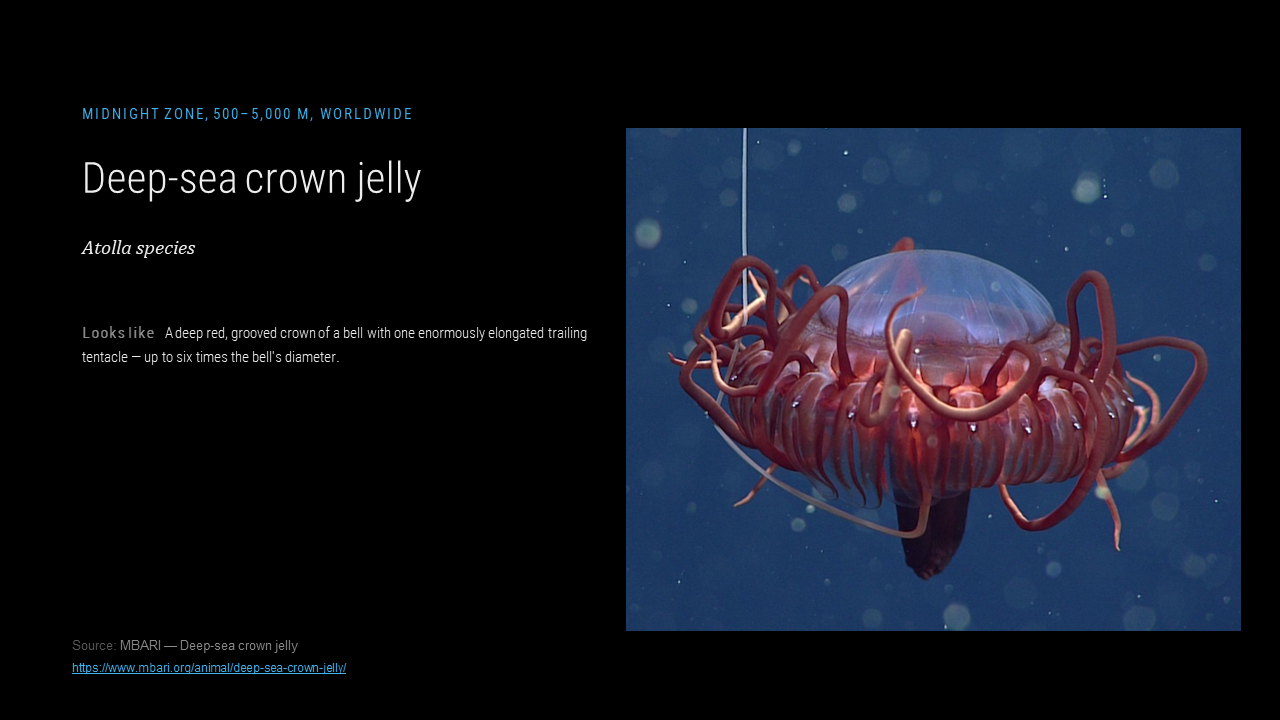
Jellyfish thrive where other marine species struggle, particularly in deoxygenated waters known as “dead zones.” This adaptability highlights a paradox: while human-induced environmental change harms many species, jellyfish can proliferate in these degraded environments and so become a symbol of ecological imbalance. Their increasing numbers can serve as a stark reminder of how our actions, whether industrial pollution, overfishing or ocean warming, are shifting the balance of marine ecosystems.
In Lungs 0.2, jellyfish serve as a contrasting symbol. While we breathe consciously and by necessity, jellyfish take in oxygen through passive diffusion, which ties them more closely to the condition of the oceans. In this sense, they become a living reflection of environmental change, embodying both resilience and the cost of ecological disruption.
The ocean absorbs roughly a quarter of the carbon dioxide produced by human activity and around ninety percent of the excess heat trapped by greenhouse gases, which makes it the organ that regulates the planet’s climate. That absorption has a cost written into the water itself. Dissolved carbon dioxide forms carbonic acid, which has lowered the pH of the surface ocean by about 0.1 units since the industrial revolution. This represents a thirty percent increase in acidity, one that thins the shells of the organisms at the base of the food chain. Warmer water also holds less dissolved oxygen, so the sea breathes in less as it heats, and the chemistry of the exchange turns against the life it carries.
The North Sea has warmed by 1.7 degrees over the past half century, about twice the global rate, and faster still since 2013. It is a shallow, semi enclosed shelf sea, which is why it heats faster than the open ocean. Together with the northeast Atlantic, it is now among the fastest warming waters on Earth. Marine heatwaves that were exceptional forty years ago now arrive as regular events, and the species composition of the sea is being reorganised within a single human lifetime.
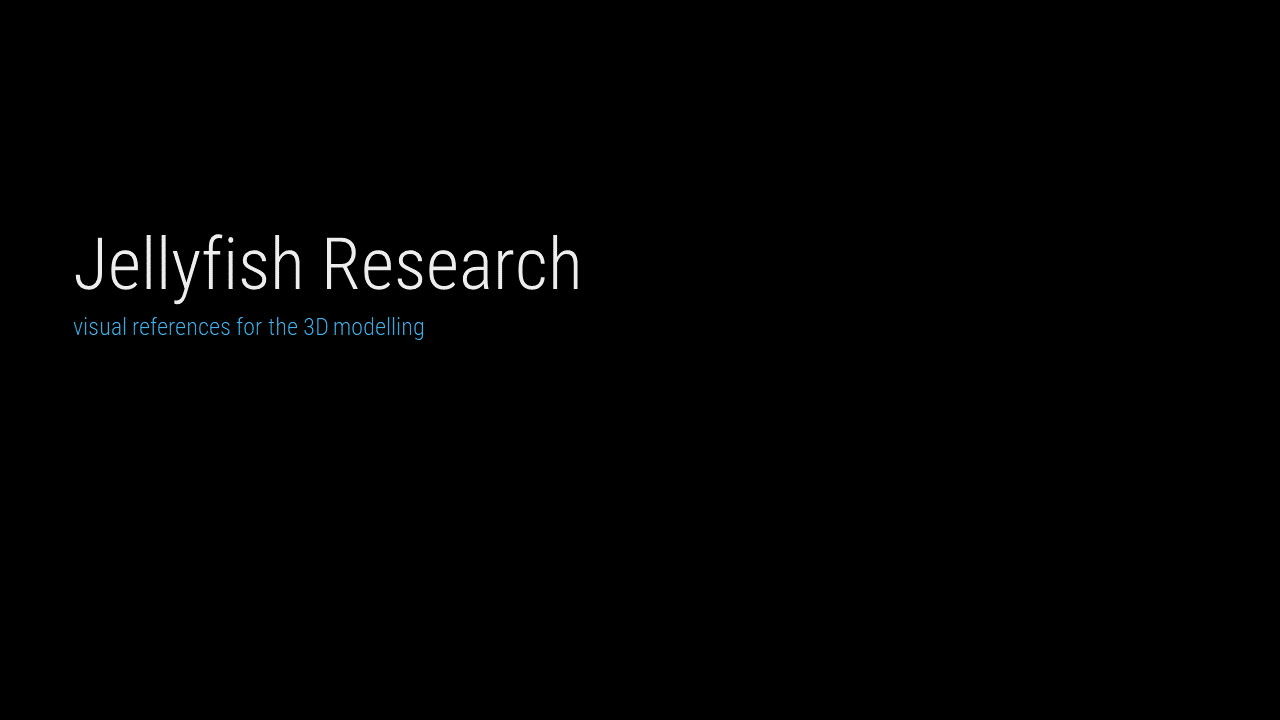
In 2026, the Belgian part of the North Sea was in a marine heatwave for 144 days, from February onwards. At the end of June, the water stood more than three degrees above its long-term average: the warmest days measured there in twenty-six years. Plankton dies off in large numbers in summer. Cod has left these waters. Squid has arrived. Jellyfish are increasing across many of the world’s seas, and the North Sea is one of them.
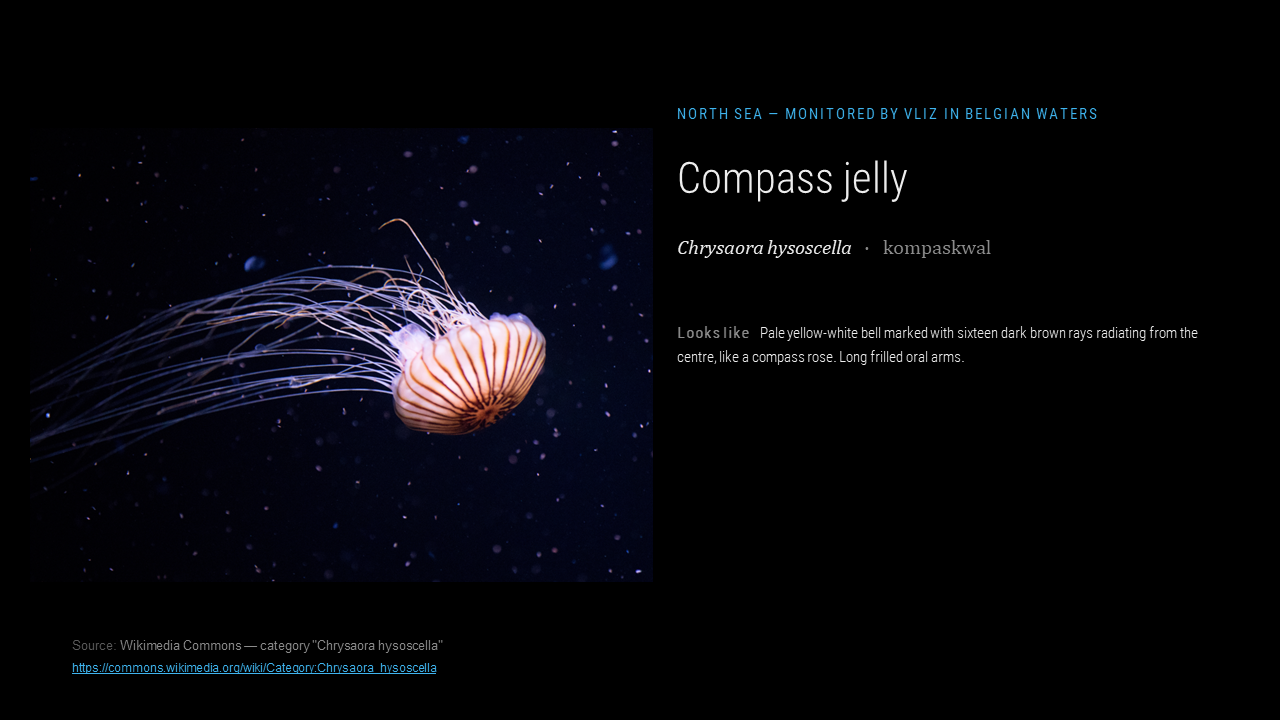
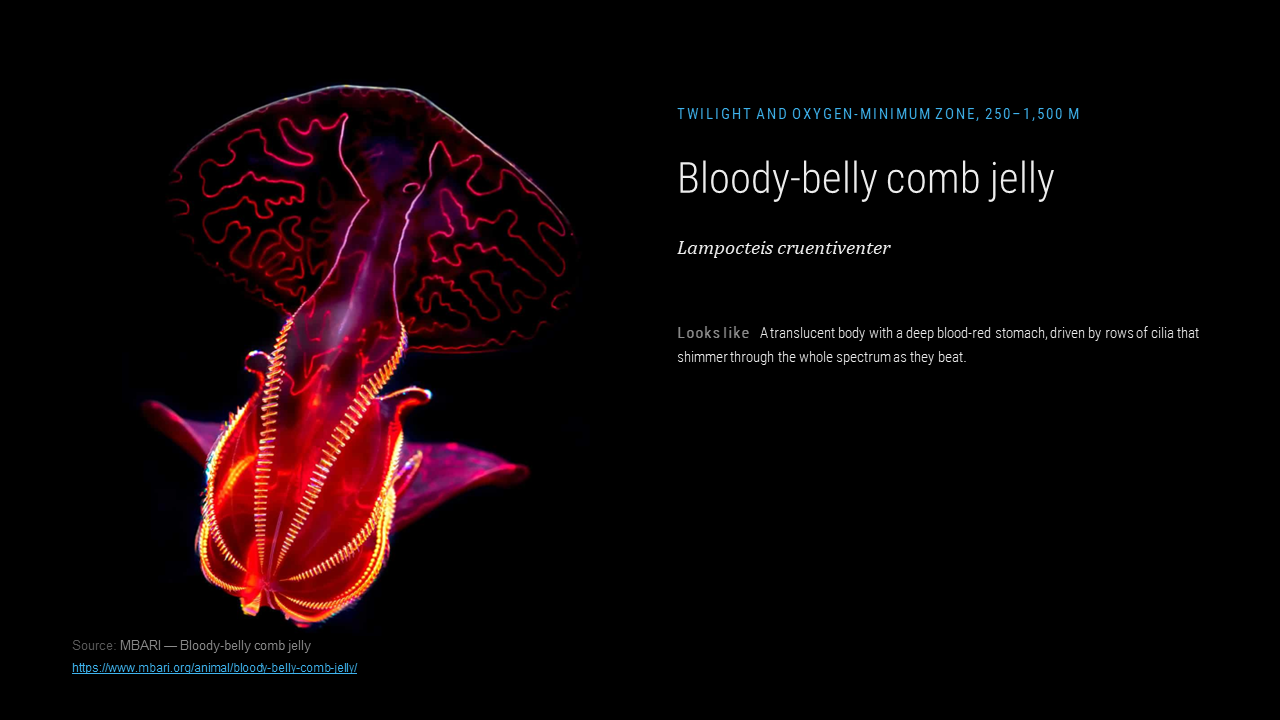
Since 2014, the Flanders Marine Institute has run a network of volunteers who walk fixed sections of the Belgian coast at Bredene, Middelkerke and Blankenberge, recording what they find. Jellyfish are one of the ten things they count. Cold-water species such as the brown shrimp are thinning out. Warm-water and exotic species, among them the American comb jelly, are becoming common.
Installation Set-Up & User Experience
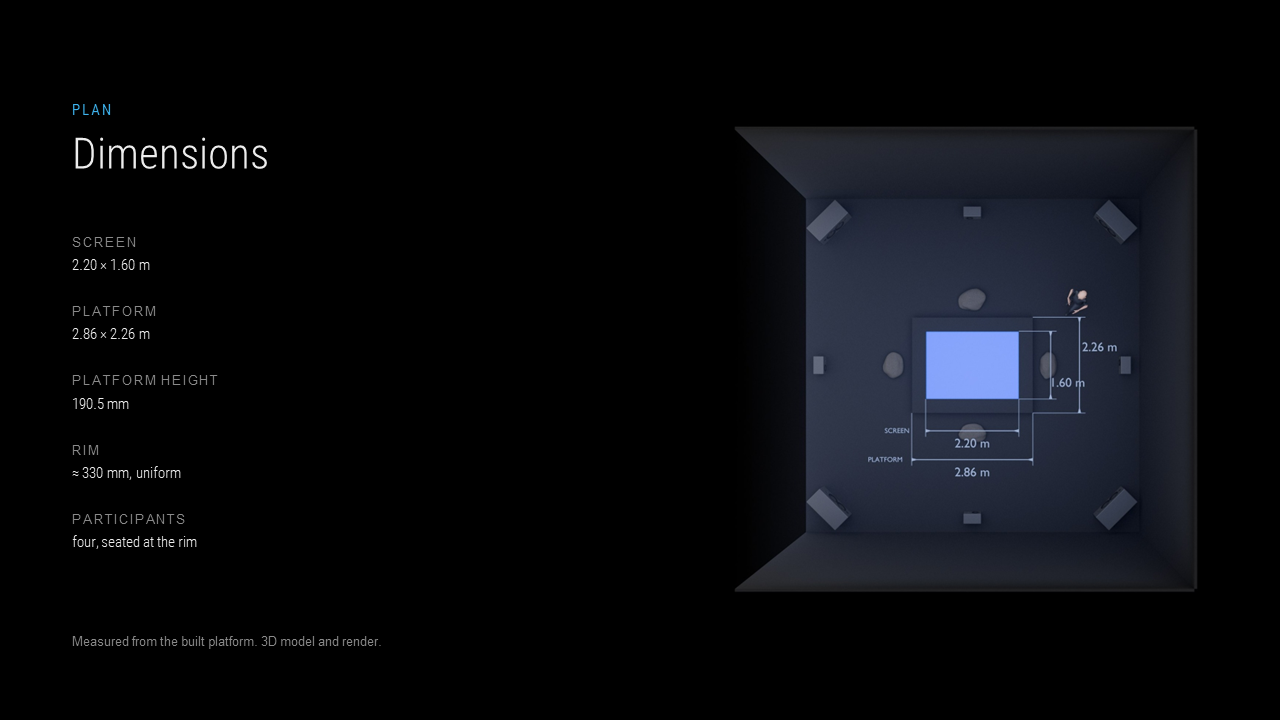
The installation consists of a rectangular pool filled with white ink, whose surface serves as a video projection screen. Four flat stones surround the pool and act as seats for the participants. Eight speakers spatialise the sound: one in each corner of the room and one behind each participant.
Before entering the installation space, participants (a maximum of four) receive masks equipped with filters. In the darkened space, they sit on the stones around the central pool. Each mask is connected to an individual device with a microphone and a pressure sensor. Once the masks are on, the participants’ breathing is amplified, while virtual jellyfish move, rotate, accelerate, contract and expand in response to their respiration patterns.
Air pressure sensors detect each inhalation and exhalation. The software analyses and processes this data, including the pace, pauses, acceleration, speed and intensity of the breathing, as well as an estimate of the volume of air in each participant’s lungs. The results are mapped to the physical behaviour of the sixteen virtual jellyfish (four per person). The system also analyses the sound picked up by the microphone in each mask, amplifying it and transforming it differently according to the interaction sequence.
A 10-minute scenario in five parts guides participants through different interactive phases, creating a dynamic and immersive experience. Breathing always controls the contraction and expansion of the jellyfish, while each part changes how they move through the space and how they relate to one another. Each participant is assigned four jellyfish, sixteen in total, and their movement continuously follows the sensor data. Throughout the experience, the octophonic sound system amplifies the participants’ breathing while generating a soundscape that evolves alongside the images.
Development of virtual 3D Jellyfish
In this new version, the jellyfish are rebuilt in 3D: modelled and rigged in Blender, and animated in Unreal Engine. This makes it possible to control each jellyfish individually. Their expansion and contraction are mapped to the participants’ breathing and drive the acceleration and deceleration of their swimming, their rotation when they reach the edge of the projection, and their behaviour when they meet another jellyfish.
Custom shaders produce their translucent, glowing appearance, simulating the way light moves inside a gelatinous body through subsurface scattering and dynamic bioluminescence. Built in Unreal Engine’s node-based material editor, the shaders react to the surrounding environment and to each jellyfish’s own movement, while remaining efficient enough to run in real time.
The Chaos Physics system handles the interaction between the jellyfish bodies and the water around them through fluid dynamics and soft body deformation, while particle effects are created in Niagara.
Sound design
The sound design is rebuilt in Ableton Live, replacing the original 2008 Max/MSP patch, which relied on Max externals that are no longer developed. The new design follows the jellyfish more closely: its textures are drawn from underwater sound, and each participant’s amplified breath is woven into that soundscape. The sound is spatialised across eight channels, moving around the participants as the jellyfish move. We also explore rhythms that build from the collective breathing of the participants, so that the composition is different in every session.
Enhancements for the next iteration of Lungs
The breathing capture system built in 2008 has several limitations that this restoration addresses. It relied on a custom-made motherboard with four air pressure sensors, a proprietary protocol written by a former programmer, and a Max external, written in C for Macintosh and Max/MSP 4.0, whose source code we no longer have. It also used the outdated RS232 serial protocol, through a USB converter that is incompatible with current operating systems.
We replace the custom motherboard with an Arduino Mega 2560 REV3 and four MPXV7002DP air pressure sensors, which come pre-mounted on boards and remove the need for custom-made circuit boards.
The Arduino collects the raw sensor data and transmits it to the computer. A Max 8 patcher, embedded as a Max for Live device, serves as the central data router: it processes the incoming data and generates metrics such as speed, amplitude and comparisons between participants. It sends MIDI CC messages to Ableton Live, one channel per sensor, to drive the sound. It also sends OSC or WebSocket messages to Unreal Engine, which renders the real-time 3D visuals.
A UV cleaning system solves the problem of individual filters: it disinfects the masks and filters between sessions. This eliminates the need for expensive disposable filters and reduces the cost of hosting the work.
Communication between image and sound
Unreal Engine and Ableton Live communicate in both directions. Unreal Engine sends information about each jellyfish’s position relative to the centre and edges of the projection and to the other jellyfish, which Ableton Live uses to control effects, channel levels and spatialisation. In return, Ableton Live sends triggers to Unreal Engine, so that specific audio events set off visual responses. This exchange creates a synchronised audiovisual composition in which up to four participants, each breathing separately, form one shared system.
Collaborations / Co-production
Lungs 0.2 is co-produced by Werktank in Leuven and nadine in Brussels. Werktank, a platform for art at the intersection of technology, society and science, co-produces the restoration. They contribute €5,000, act as financieel begunstigde (financial beneficiary) managing the project’s finances, and host the production residency (provisionally 1 to 15 May 2027), where the new sensor system, the 3D jellyfish and the sound design are built and tested together for the first time. Lungs 0.2 also sets a precedent for postproductie (postproduction), a line of work Werktank is developing to help artists restore media artworks built on obsolete hardware and software.
nadine, an art laboratory for experimental contemporary practices with an interest in ecology and new ways of living together, co-produces the presentation. They produced the first version, Lungs [the breather], while I was a postgraduate student at Sint-Lukas Brussels, and premiered it at their project space from 16 to 27 June 2008. At the time, very few places would show a work that asked its audience to sit in the dark and breathe through a mask. Almost twenty years later, nadine hosts the second residency followed by the public exhibition at their space n0dine, from 6 to 26 September 2027, with a budget of €1,500 for five artistic day contracts. Together we shape the audience scenario and the experience of the work in the space, and nadine handles communication (website, newsletter, NECA calendar and their own network) and the public opening.
Written confirmation of interested venues
STUK in Leuven has written to the commission in support of this restoration. Karen Verschooren, Head of Exhibitions, writes that the work has only gained in topicality and resonance, and that the STUK team is looking forward to following the reproduction closely, together with Werktank, towards a presentation during STUK START 2027. STUK is one of the reference houses for image and sound in Flanders.
LABoral Centro de Arte y Creación Industrial in Gijón, one of the main centres for art and industrial creation in Spain, has written as well. Its Managing Director, Semíramis González, confirms that LABoral knows the project, finds its process of recovery, restoration and updating of interest, and intends to stay connected to its development with a view to collaboration.
During Ars Electronica 2026 in Linz, where the Ríos Trilogy was exhibited, I was present together with Ischa Tallieu of Tallieu Art Office, and we had the opportunity to present the restoration of Lungs to curators and programmers from several countries. The response confirmed that there is a concrete international interest in the work, which the letters from STUK and LABoral already indicate, and which Ischa Tallieu is following up with venues across Europe.